Engineered by a maker. Refined through chemistry. Built for creators.

THE BEGINNING: A MAKER LOOKING FOR A BETTER ANSWER
HELOLAND did not begin as a marketing idea. It began with a real problem experienced by a real 3D printing enthusiast.
Our founder, Ethans Zhou, discovered his passion for 3D printing while studying at Stony Brook University. He was fascinated by the possibility of turning a digital design into a physical object, layer by layer. To him, 3D printing was more than a technology. It was a new form of creativity, engineering, and personal expression.
But the excitement of creating was often interrupted by unreliable filament.
A model could be designed carefully, the printer could be calibrated correctly, and hours could be invested in preparing a project—yet inconsistent material could still compromise the final result. Some filaments performed well for one print but behaved differently on the next. A project that appeared successful at the beginning could fail many hours later.
Like many makers, Ethans initially tried changing print settings, adjusting temperatures, slowing down print speeds, and recalibrating the machine. But he gradually realized that not every printing problem came from the printer.
Sometimes, the problem began inside the material itself.
A CHEMICAL ENGINEER’S APPROACH
After earning his bachelor’s degree from Stony Brook University, Ethans continued his graduate studies in Chemical Engineering at Columbia University.
His academic background changed the way he looked at filament. Instead of asking only, “Why did this print fail?” he began asking deeper questions:
How consistent is the material composition?
How do formulation differences affect extrusion and print stability?
Why can two filaments that look nearly identical behave completely differently?
What changes inside the material during production, storage, melting, and extrusion?
These questions became the beginning of a much larger journey.
After graduation, Ethans returned to China and established his own manufacturing facility. He did not want to create another filament brand by simply choosing existing products and adding a new label. He wanted to understand the material from the inside out—and build better filament through research, testing, and manufacturing control.
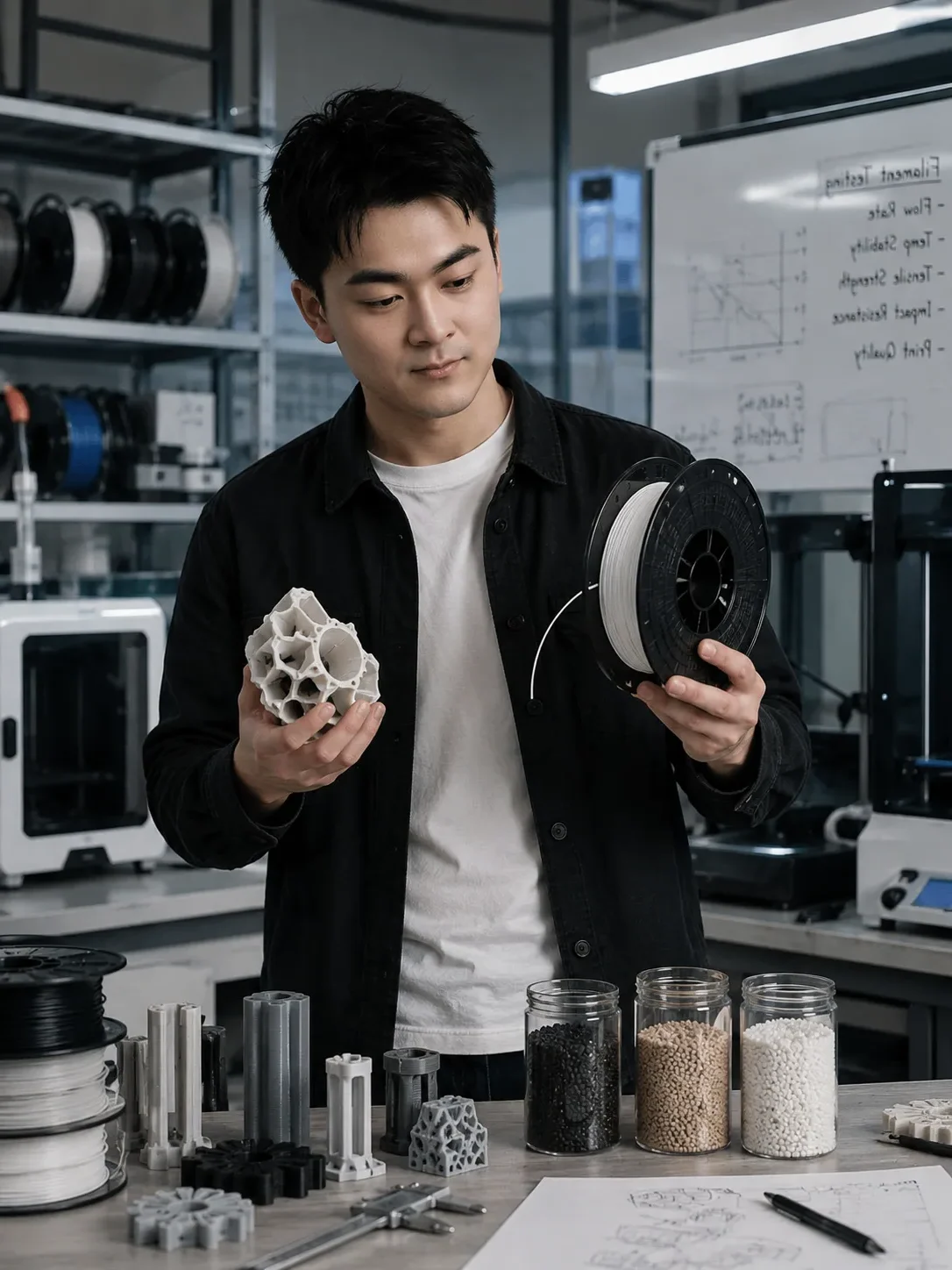
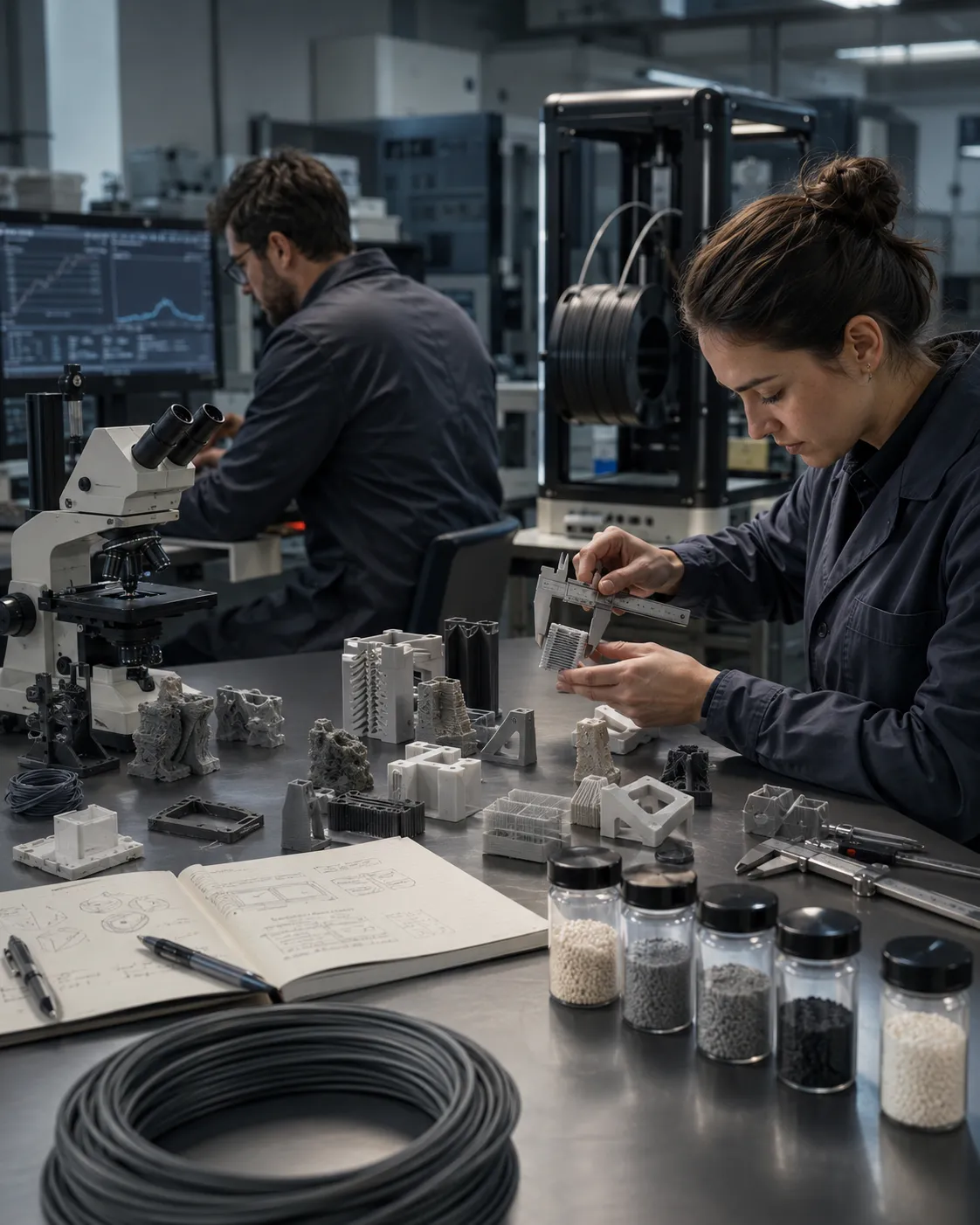
THE DIFFICULT PART WAS NOT FINDING A FORMULA. IT WAS MAKING IT CONSISTENT.
The research process was slow, demanding, and often frustrating.
Ethans and his team collected filaments from brands across the market and tested them through actual printing. The samples were compared, studied, and analyzed using spectrometric instruments and material-testing methods. They examined differences in composition, processing behavior, surface condition, and printing performance.
But identifying a difference was only the beginning.
Changing a material formulation could improve one characteristic while creating a new problem somewhere else. An adjustment that performed well in a short test might behave differently during a longer print. A promising result had to be tested again, reproduced, and examined under different printing conditions.
There were no shortcuts.
Formulations were adjusted repeatedly. Production parameters were reviewed. Test models were printed, inspected, and printed again. When a result failed to meet expectations, the team returned to the data, studied the possible cause, and began another round of improvement.
Long hours of work could end with a failed print. A small inconsistency could mean starting the evaluation again. Progress was not always dramatic; sometimes it came through small improvements that only became visible after repeated testing.
Every failed print became evidence.
Every material comparison produced new information.
Every adjustment brought the team closer to the dependable printing experience Ethans had been searching for since university.
That process became the foundation of HELOLAND.
BUILT ON TESTING, NOT ASSUMPTIONS
At HELOLAND, professionalism means that a filament should not be judged by appearance alone.
A beautiful color is important, but color cannot compensate for unstable material. A successful sample print is encouraging, but one successful print is not enough to demonstrate consistency.
Our product development approach is built around a continuous process:
Material benchmarking and comparison
Spectrometric and performance analysis
Formulation research and adjustment
Controlled manufacturing
Print validation and repeated evaluation
Ongoing product refinement
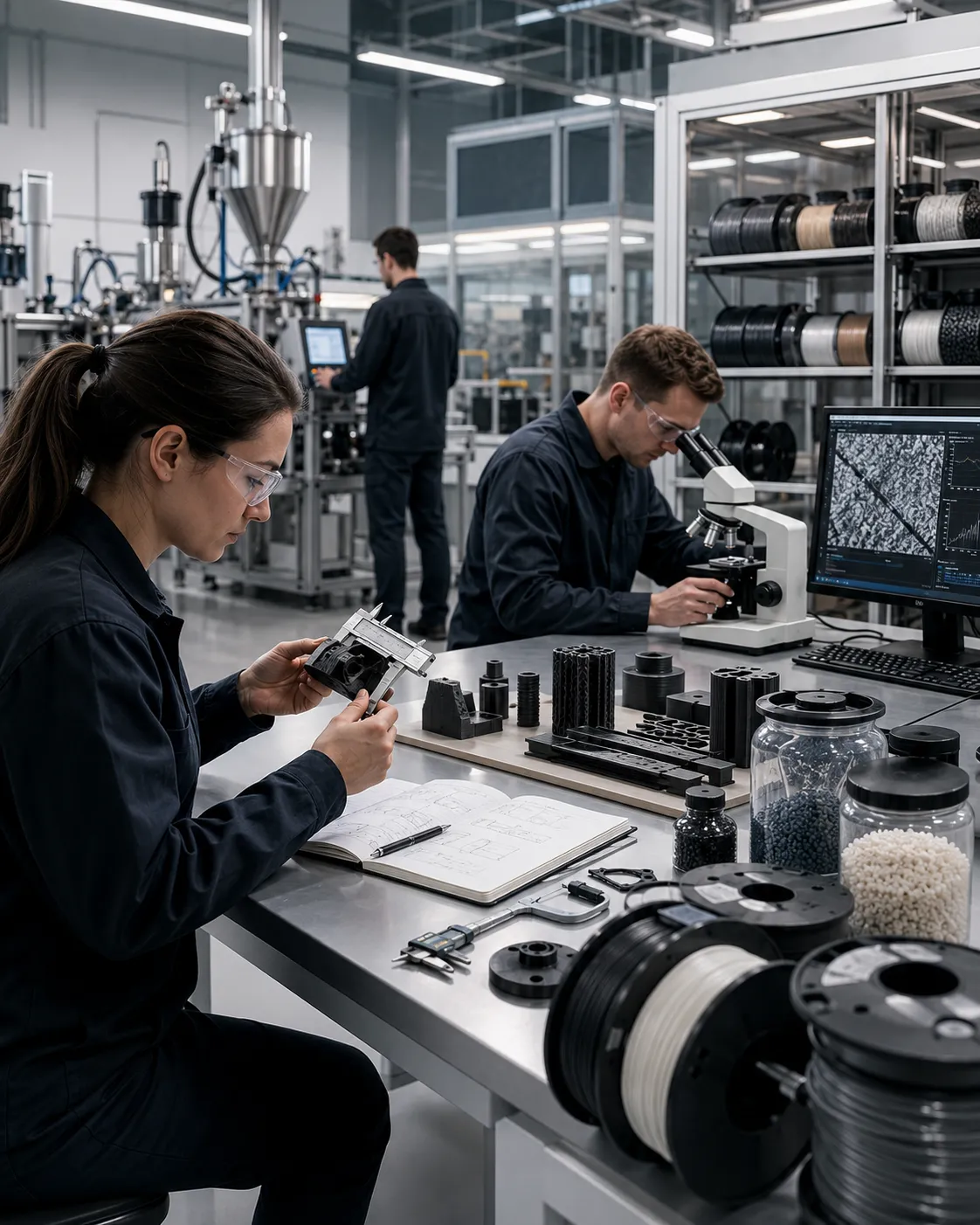
From raw material preparation and extrusion to cooling, winding, inspection, storage, and packaging, each stage can influence the final printing experience. That is why HELOLAND focuses not only on formulation, but also on the manufacturing process required to reproduce dependable results from spool to spool.
We do not believe quality should depend on luck.
We believe it should be studied, measured, controlled, and continuously improved.
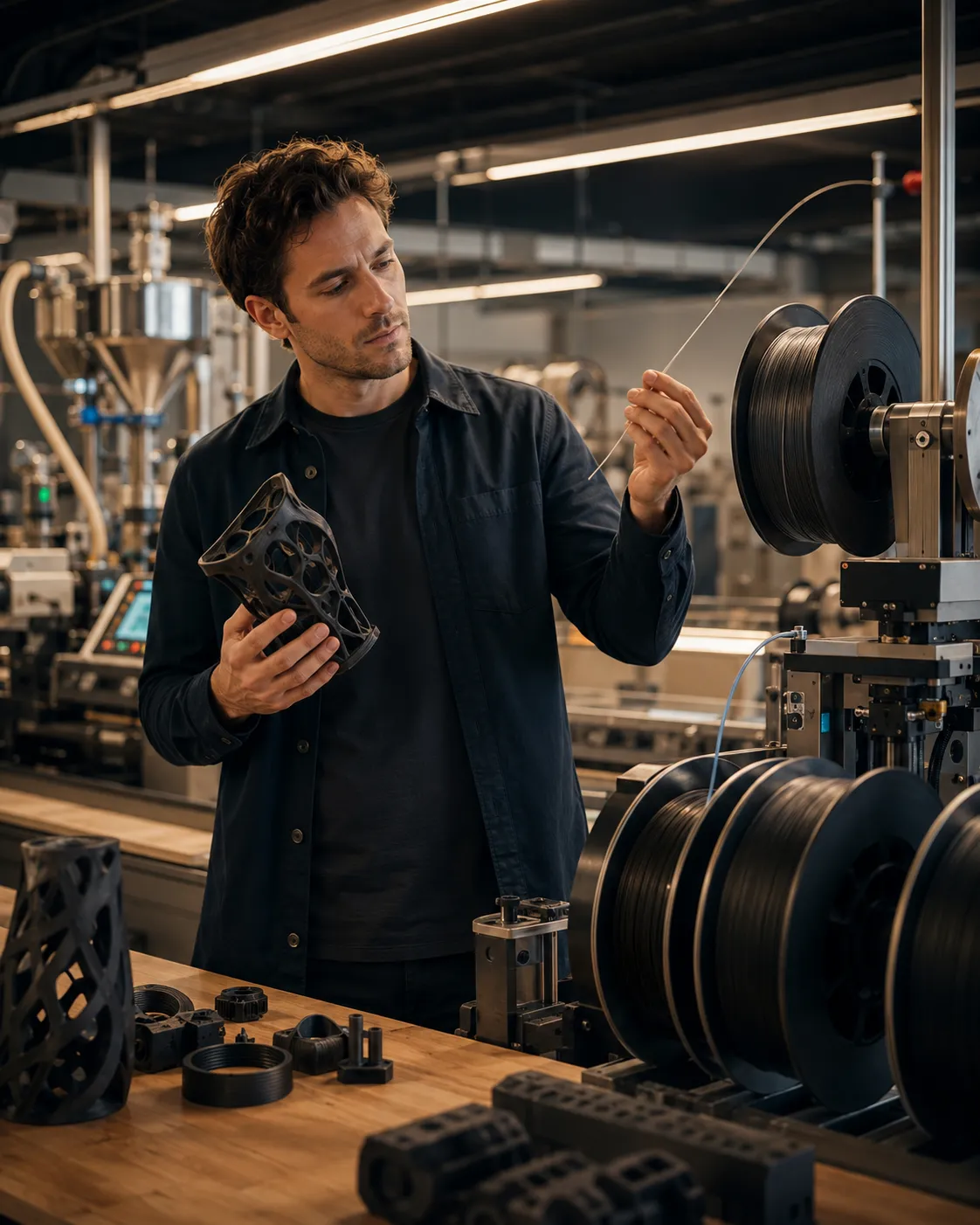
A FACTORY BUILT BY A MAKER
HELOLAND is different because it was founded by someone who understands the disappointment of a failed print.
Ethans did not approach 3D printing only as a manufacturer. He approached it as a user—someone who knows the anticipation of starting a new project, the patience required for a long print, and the frustration of discovering that hours of work have been lost.
That experience continues to shape the way we develop our products.
Our goal is not simply to manufacture more filament. It is to create materials that help makers spend less time troubleshooting and more time building, experimenting, and bringing ideas to life.
OUR COMMITMENT
Today, HELOLAND combines a maker’s curiosity, a chemical engineer’s discipline, and a manufacturer’s responsibility.
We continue to test because materials can always be better understood.
We continue to improve because creators deserve dependable tools.
We continue to listen because every print provides information that can lead to a better product.
HELOLAND is more than a name on a spool. It is the result of difficult experiments, repeated failures, careful analysis, and a long-term commitment to improving the material behind every creation.
Because better prints do not begin with promises.
They begin with better materials.
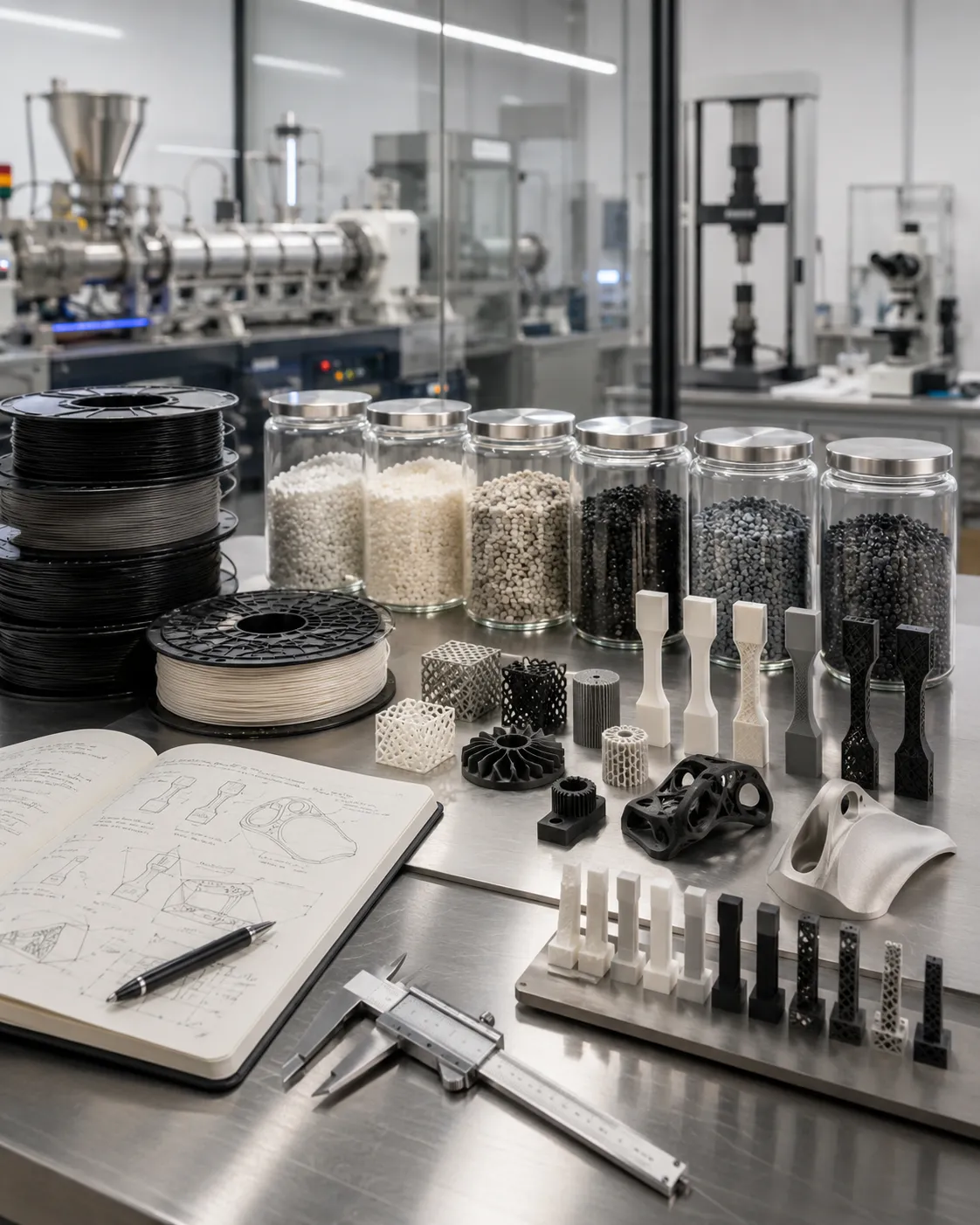

CREATE MORE. PRINT BETTER.
Carefully selected materials deliver stable performance and refined print results.
Precision Manufacturing
Consistent filament diameter supports smooth extrusion and accurate printing.
Strict Quality Control
Every spool is carefully inspected to maintain reliable quality from start to finish.
Reliable Supply
Efficient production and secure packaging ensure your filament arrives ready to print.
Inside Our Factory
At HELOLAND, reliable filament begins with a carefully managed manufacturing process. From raw material preparation and extrusion to winding, inspection, storage, and final packaging, every stage is organized to support stable product quality and efficient production. Our team pays close attention to filament consistency, surface condition, spool winding, and overall appearance to help ensure that each roll is ready for dependable printing.
Our goal is not only to manufacture 3D printing filament, but to provide creators, makers, designers, and businesses with materials they can use with confidence. By carefully managing every step inside our factory, we continue to improve production efficiency, product reliability, and the overall printing experience for our customers.
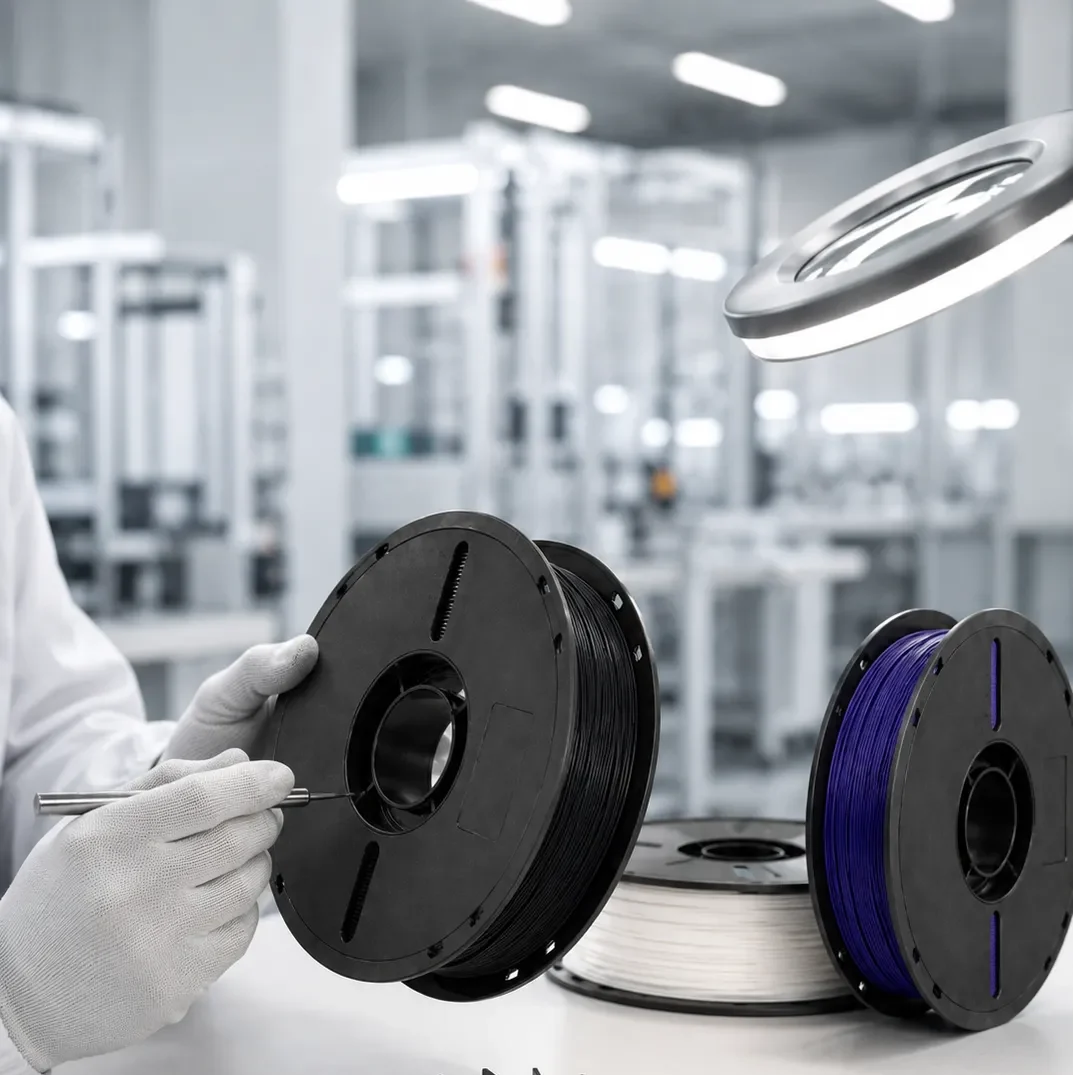
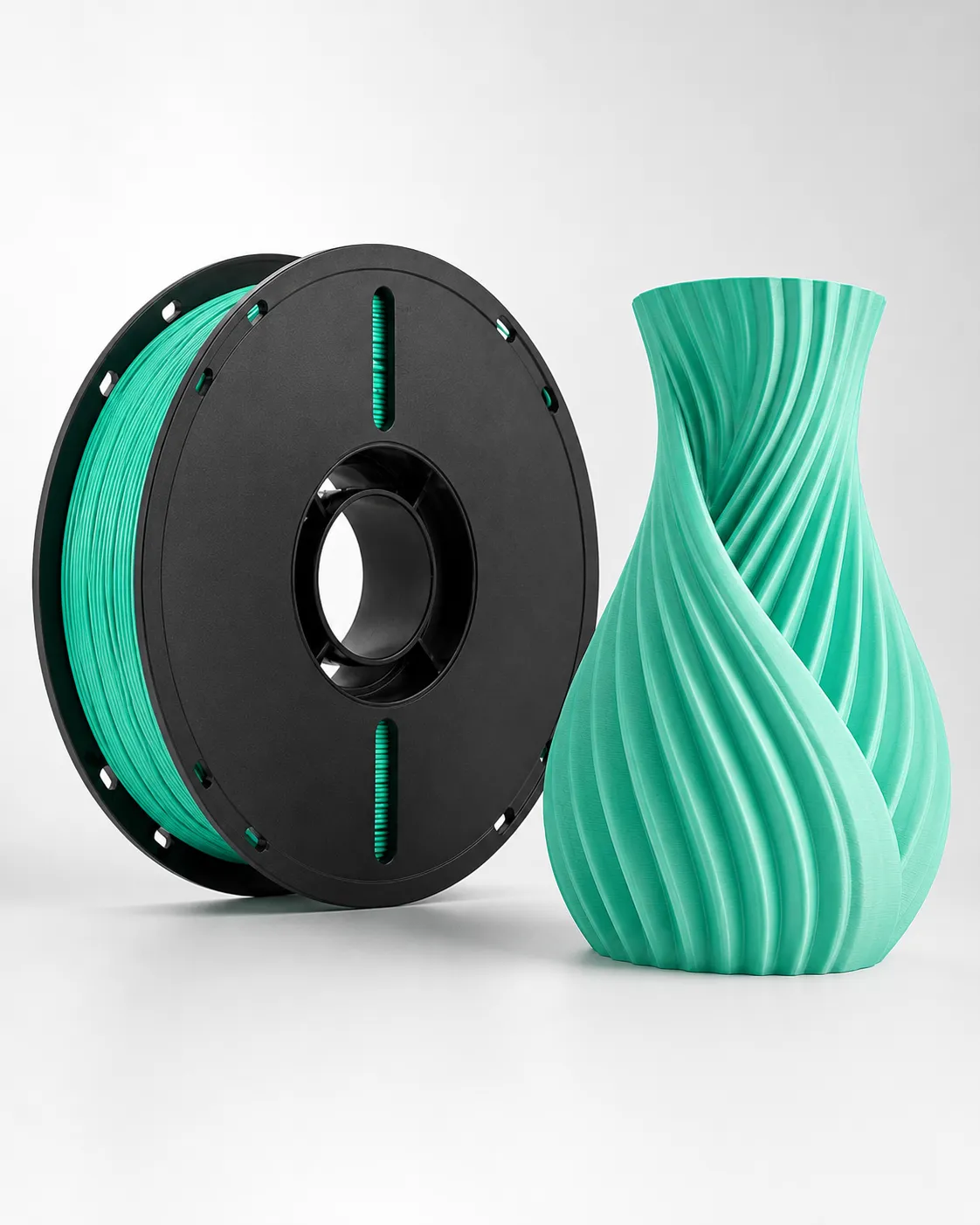
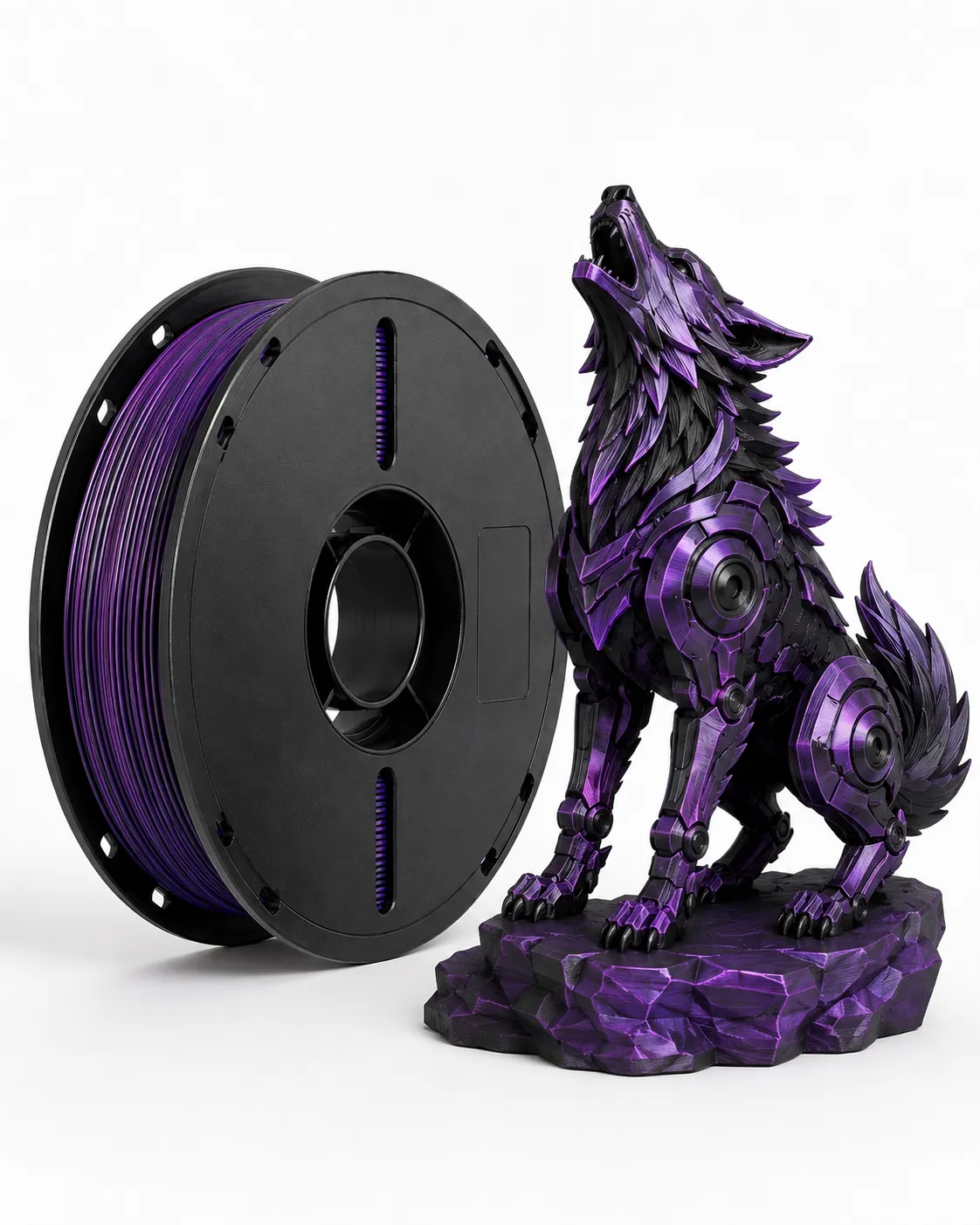
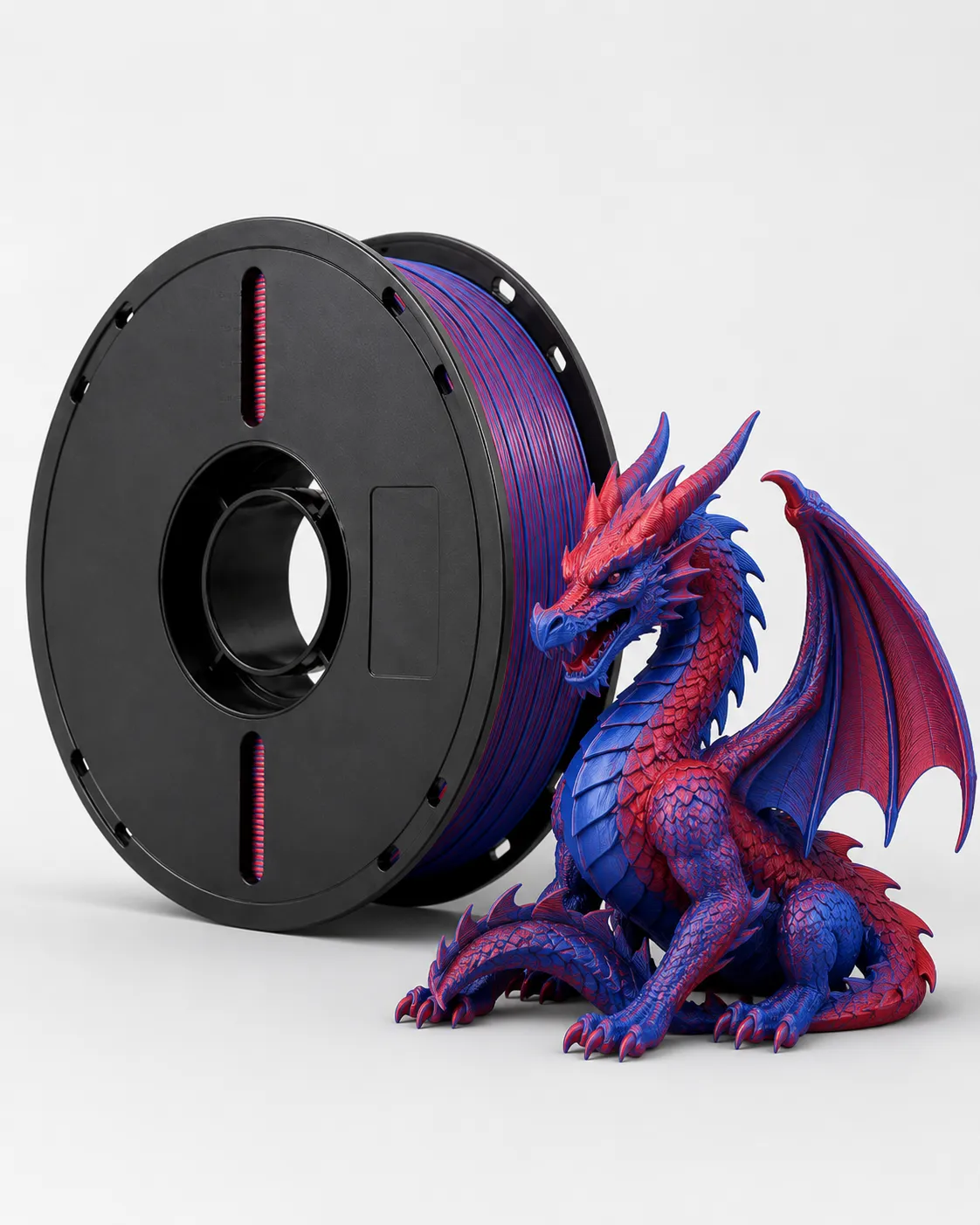
Showcase of Outstanding Products
Sodales ut eu sem integer vitaenec feugiat
Melissa Peterson
Creative Head
Suspendisse potenti nullam ac tortor. Amet aliquam id diam maecenas amet dictum sitamet.
Nicolas Anderson
Marketing Director
Neque gravida in fermentum et sollicitudin ac orci phasellus egestas dignissim suspendisse.
Annette Ferintor
Brand Designer
Pellentesque eu tincidunt tortor aliquam nulla facilisi cursus sit amet dictum sit amet justo.